The most common South African scams and how to spot them
23 October 2026 · Omnitrace
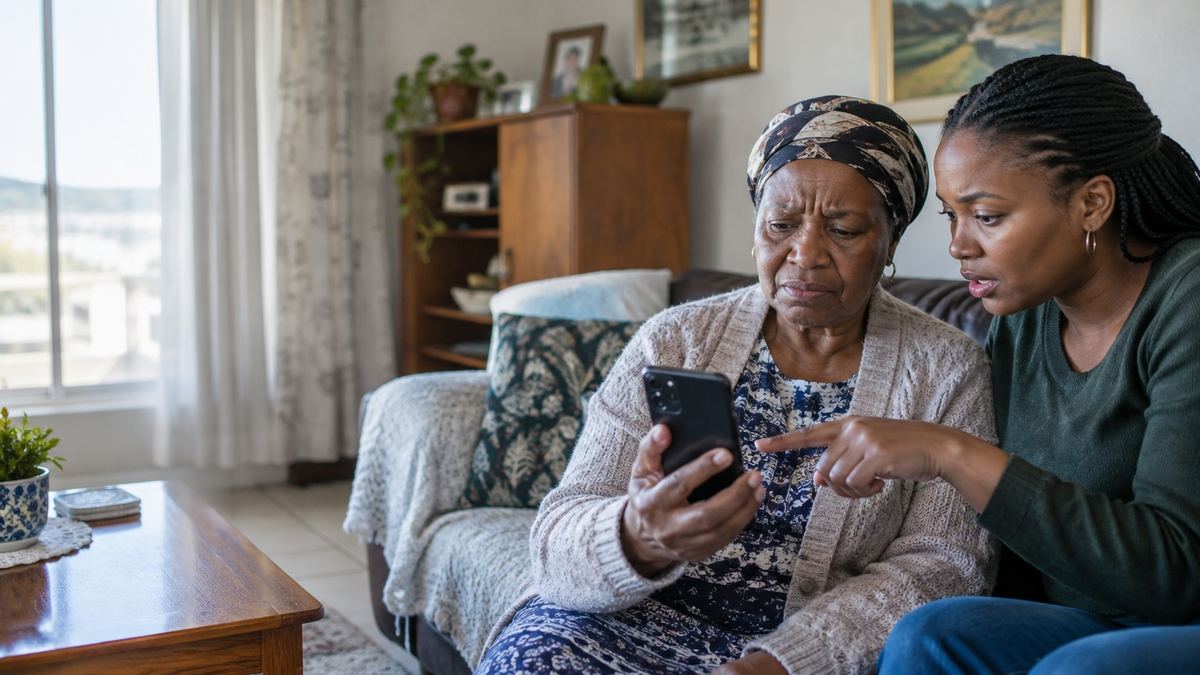
Problem: scams in South Africa are slick, personal and convincing. Agitate: criminals spoof real bank numbers, copy official logos and use your family's names. One rushed decision can empty an account that took years to build. Solution: learn the common tricks and the red flags they share.
1. The fake bank call
A "fraud department" says there is suspicious activity on your account, then asks you to read back an OTP or approve an app notification "to stop it". That approval is the fraud. Red flag: any request for an OTP, PIN or approval. Hang up and call the number on your card.
2. "Hi Mom, this is my new number"
A WhatsApp from an unknown number claims to be your child, who lost their phone and urgently needs money. Red flag: new number, urgency and a payment request. Call them on their old number first.
3. SIM swap fraud
Criminals get your number moved to a new SIM and receive your banking OTPs. Red flag: your phone suddenly shows "No service". Contact your network and bank immediately.
4. Fake job offers
An "employer" offers a great job with almost no interview, then asks for a fee for training, uniforms or a medical. Red flag: real employers never charge you to be hired.
5. Rental and car deposit scams
A cheap flat or car is advertised online and the "owner" wants a deposit before you can view it. Red flag: pressure to pay before viewing. Never pay for something you haven't seen, and verify the seller's identity.
6. Fake SARS refunds and courier fees
An SMS says you have a tax refund or a parcel waiting and links to a site asking for card details or a small fee. Red flag: links in unexpected messages. Go to sars.gov.za or the courier's site yourself.
7. Investment and crypto schemes
Guaranteed returns of 20% a month, promoted by "successful" friends or celebrities. Red flag: guaranteed high returns. Check that any adviser is registered with the FSCA.
8. Business email compromise
A supplier "changes" their bank details by email just before a big payment. Red flag: new banking details by email. Phone the supplier on a known number and verify the account before paying.
This article is general information, not legal or financial advice.
Keep reading
- SARS refund SMS and email scams: "Your refund is ready" is the bait
- "This is SARS, you owe R38,000": fake SARS calls and debt threats
- eFiling hijacks and fake tax returns: when criminals file in your name
- Phishing in South Africa: how to spot a fake email, link or login page
- Banking app fraud: how criminals empty accounts, and how to stop them
- Fake SMSes and calls: when the "bank" is not your bank
- Crypto and investment scams: the promise of quick riches
- Online shopping, marketplace and courier scams in South Africa
- 7 habits that keep your personal information out of criminal hands
- Your ID number is gold to fraudsters. Here is how to guard it
- Fake job offers and human trafficking in South Africa: the warning signs
- Inside the playbook: how scammers and cyber criminals target South Africans