Your ID number is gold to fraudsters. Here is how to guard it
23 October 2026 · Omnitrace
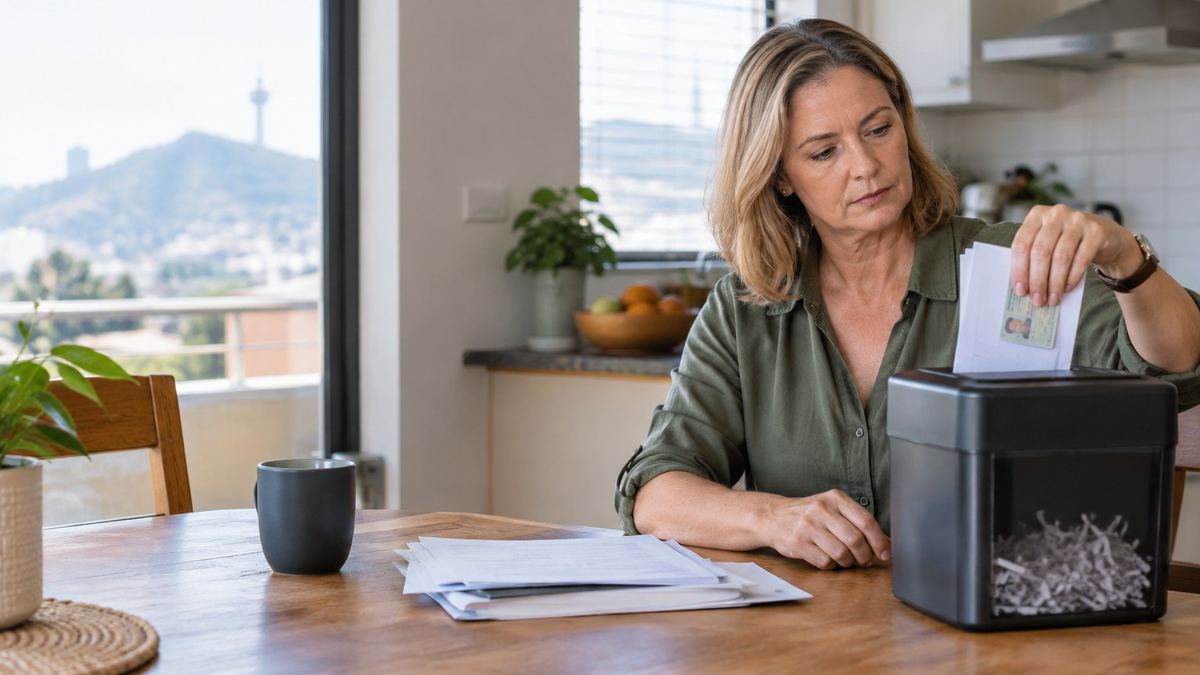
Problem: your 13-digit ID number is the key to your financial life. Agitate: with it and a few details from social media, a fraudster can open store accounts, take loans, sign phone contracts or swap your SIM, and you only find out when debt collectors call. Solution: a few simple precautions make you a much harder target.
How identity theft happens
- Lost or stolen documents: wallets, handbags and smart ID cards.
- Unshredded paperwork: statements, payslips and old contracts in the bin.
- Phishing: fake emails and SMSes asking you to "verify your details".
- Data leaks: breaches at companies that hold your records.
- Oversharing: photos of documents sent on WhatsApp or posted online.
How to guard your ID
- Shred anything with your ID number, bank details or address.
- Report a lost or stolen ID to SAPS and Home Affairs straight away and get a case number.
- Apply for free protective registration with the Southern African Fraud Prevention Service (SAFPS), so lenders take extra care before opening credit in your name.
- Check your credit report for accounts you didn't open.
- Ask why a business needs your ID, and how it will protect it, before you hand it over.
Warning signs
- Letters or calls about accounts you never opened
- Your phone suddenly loses signal (a possible SIM swap)
- Unexpected credit enquiries or a sudden drop in your score
- Being declined for credit you should qualify for
If it happens
Act fast. Open a case at SAPS, alert your bank, ask the credit bureaus to flag your file, register with SAFPS, and ask each affected lender for the documents used to open the account.
Running a business? Omnitrace helps you verify every client's identity before you sign, lend or hire. Request a service or call 065 375 6188.
This article is general information, not legal or financial advice.
Keep reading
- SARS refund SMS and email scams: "Your refund is ready" is the bait
- "This is SARS, you owe R38,000": fake SARS calls and debt threats
- eFiling hijacks and fake tax returns: when criminals file in your name
- Phishing in South Africa: how to spot a fake email, link or login page
- Banking app fraud: how criminals empty accounts, and how to stop them
- Fake SMSes and calls: when the "bank" is not your bank
- Crypto and investment scams: the promise of quick riches
- Online shopping, marketplace and courier scams in South Africa
- 7 habits that keep your personal information out of criminal hands
- The most common South African scams and how to spot them
- Fake job offers and human trafficking in South Africa: the warning signs
- Inside the playbook: how scammers and cyber criminals target South Africans