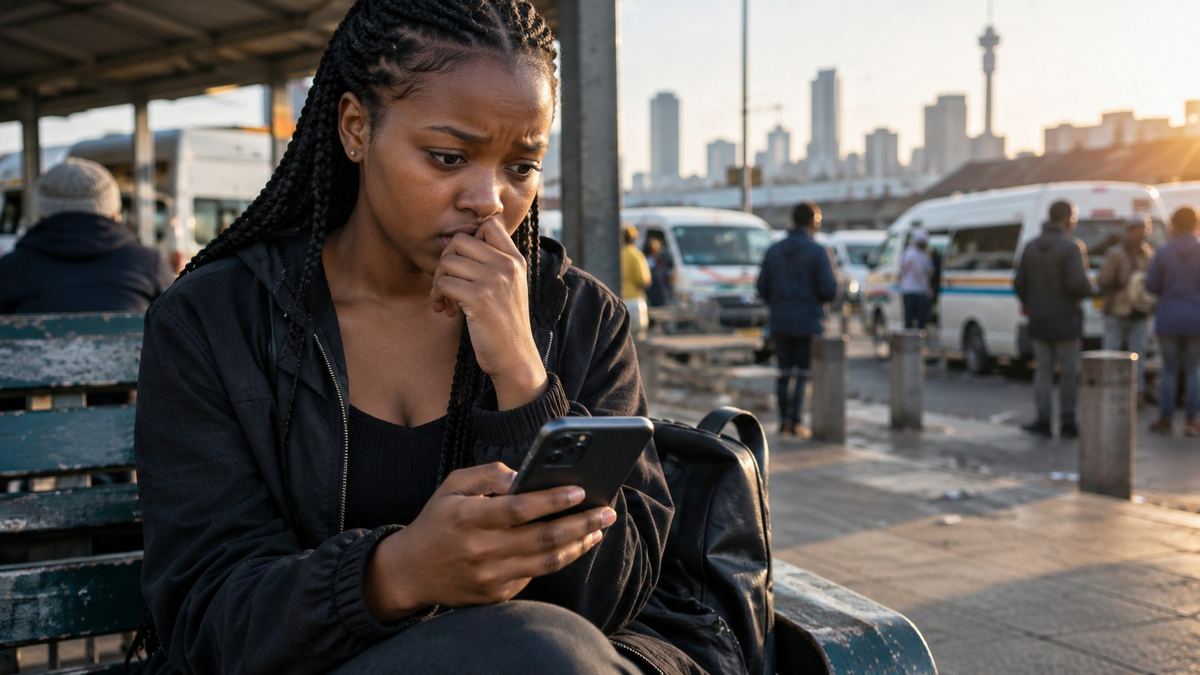
Stay alert. Stay safe.
Scammers, cyber criminals and traffickers are organised. Here's how they work and how to stop them.
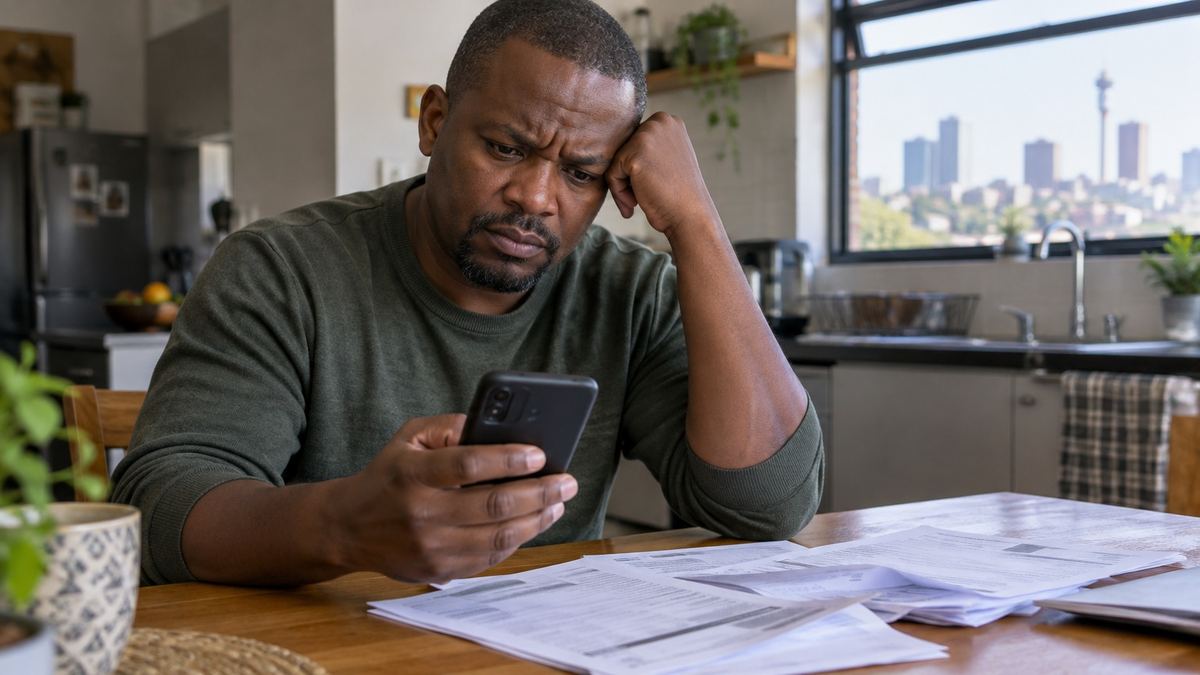
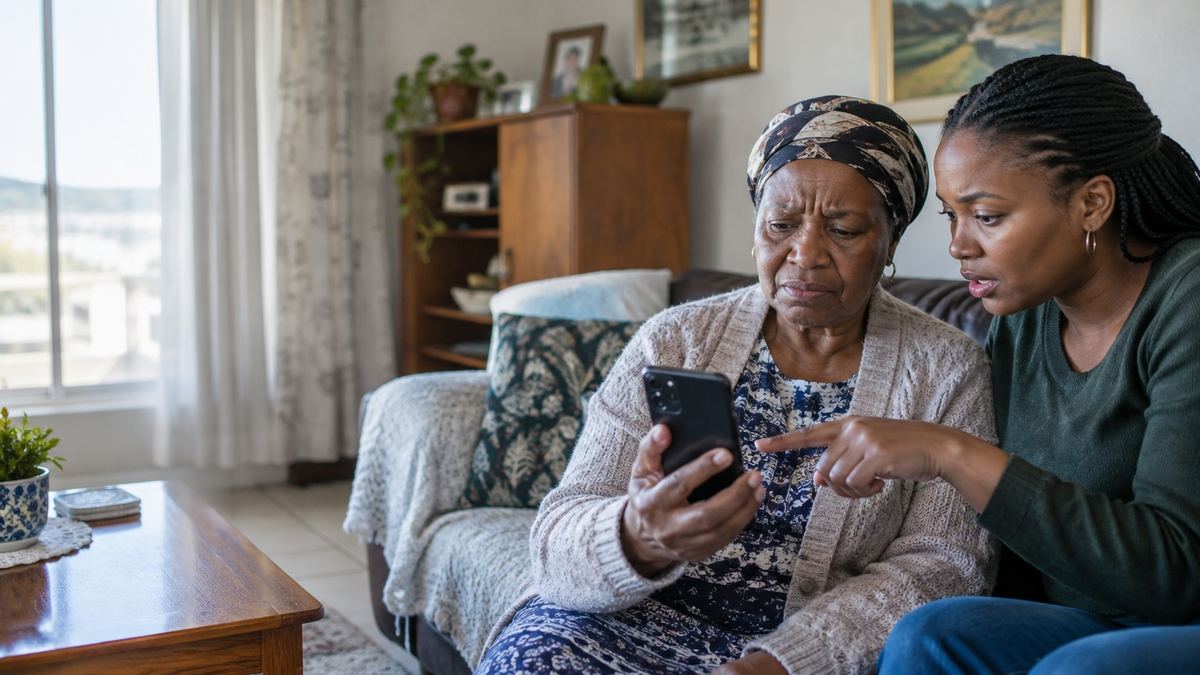
Scammers
Fake bank calls, "Hi Mom" WhatsApps, SIM swaps, rental deposits and fake SARS refunds.
- Never share an OTP or PIN
- Hang up and call back on a number you looked up
- Urgency means slow down
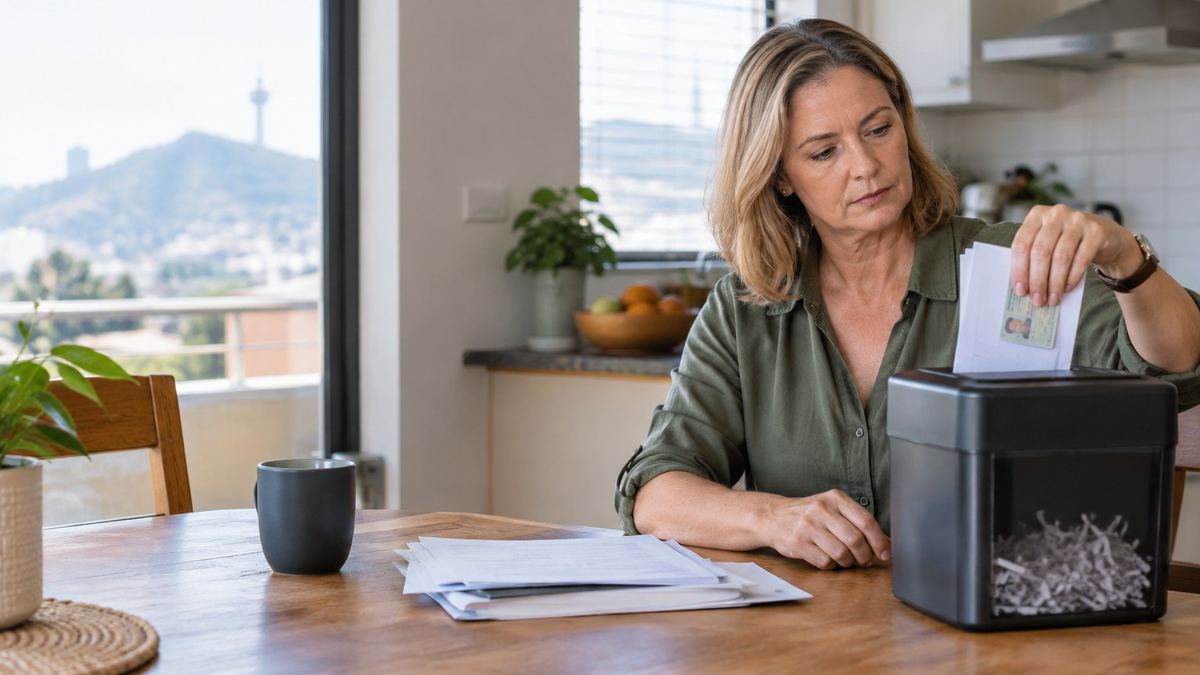
Cyber criminals
Phishing emails, leaked data, remote-access tricks, fake invoices and ransomware.
- Don't install apps a caller asks for
- Use 2-step verification everywhere
- Confirm bank detail changes by phone
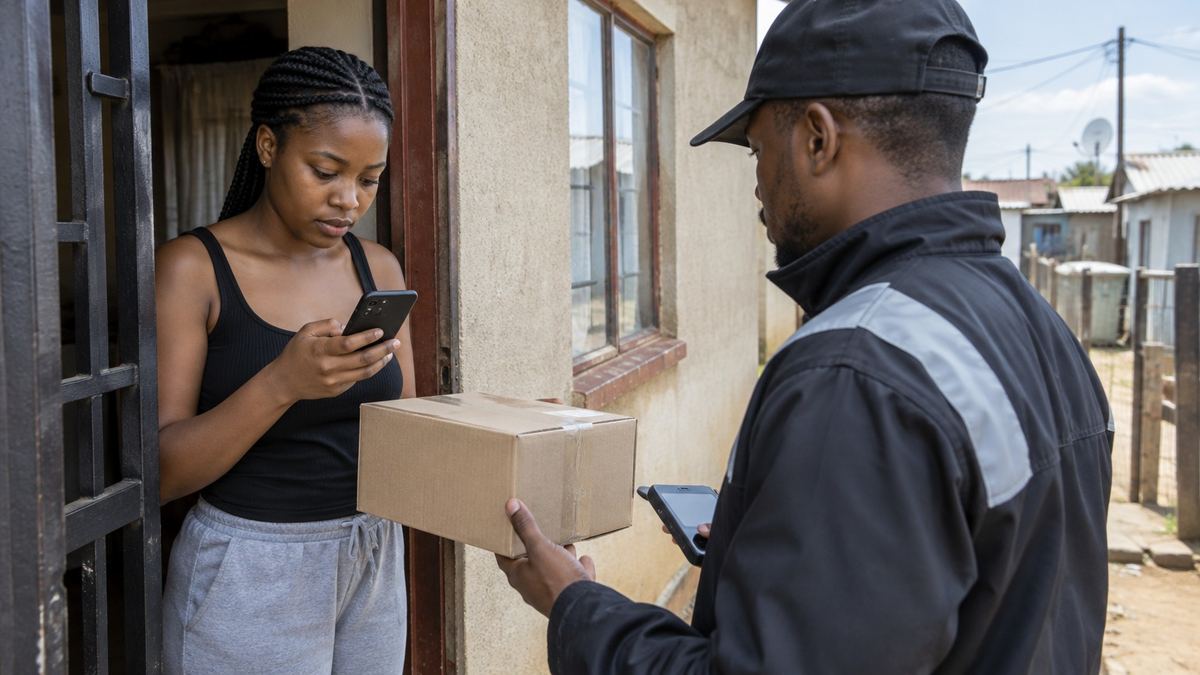
Job trafficking
Fake job adverts lure young South Africans to other cities or countries, where they are trapped.
- Real jobs never charge fees
- Never hand over your ID or passport
- Tell family exactly where you're going
Emergency & reporting numbers
Been scammed? Call your bank's fraud line first, then open a SAPS case. Someone missing? Report it at SAPS now; there is no 24-hour wait.
Know the signs
Fraud and phishing in South Africa
The six threats we see most often, and the red flags that give them away.
{{t.title}}
{{t.text}}
- {{f}}
Loading…
Is this message phishing?
Tick everything that applies to the email, SMS or WhatsApp you received.
{{aw.score()>1?'High risk: almost certainly phishing. Do not click, reply or pay. Contact the company on a number you look up yourself.':(aw.score()==1?'Be careful: one warning sign. Verify through the official app or website before acting.':'No warning signs ticked yet. Still, never share an OTP, PIN or password.')}}